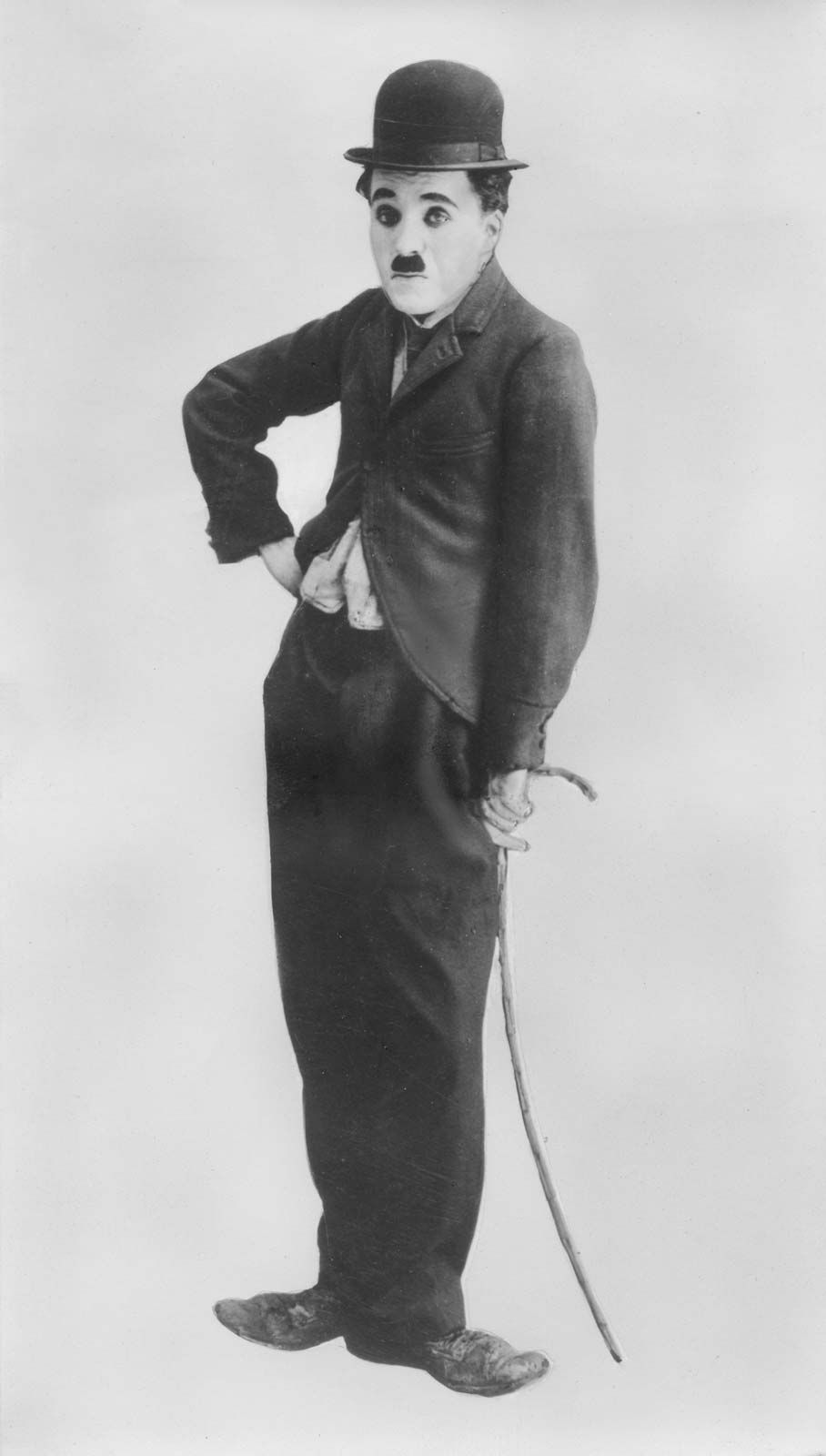

Charles Spencer Chaplin Jr., better known as Charlie Chaplin, was a British-American actor, director, writer, and composer who left an indelible mark on the world of cinema. Born on April 16, 1889, in London, England, Chaplin rose to fame in the era of silent film and became a worldwide icon through his screen persona, the Tramp. With a career spanning over 75 years, Chaplin made nearly 90 films, earning him a net worth estimated at over $400 million in today’s value. He was a master of his craft, winning the hearts of audiences with his innovative storytelling, sophisticated slapstick, and unforgettable characters.
Early Life and Background
Charles Spencer Chaplin Jr. was born on April 16, 1889, in London, England. His early life was marked by hardship and struggle, with his mother, Hannah Chaplin, a music hall singer, and his father, Charles Chaplin Sr., a musician and comedian, separating when Charlie was just a toddler. This tumultuous start to life would later shape his experiences and influence his work as a filmmaker.
Charlie’s childhood was spent in the workhouses and on the streets of London. At the age of six, he was sent to live in a workhouse, where he was forced to endure harsh conditions and mistreatment. However, it was during this time that he began to develop his skills as a performer, entertaining his fellow inmates with songs and dances. This early exposure to the world of entertainment would lay the foundation for his future success.
Charlie’s family background was marked by poverty and instability. His mother, Hannah, struggled to provide for her children, and Charlie often went hungry. Despite these difficulties, he found solace in the world of music and performance, which would eventually become his ticket to fame and fortune.
Career Beginnings
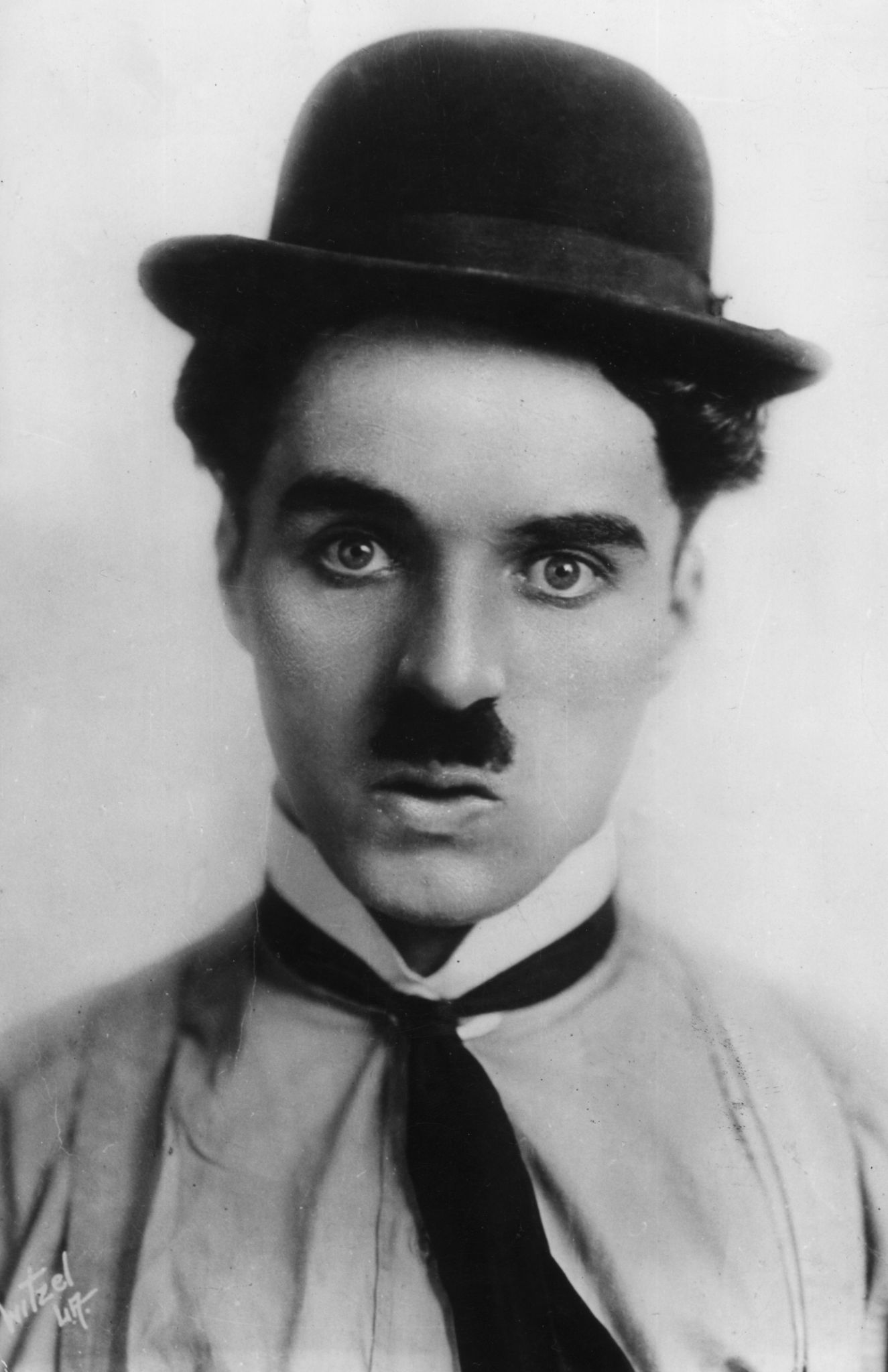
At the tender age of seven, Charles Spencer Chaplin Jr. began performing on the streets of London, singing and dancing for coins. This early exposure to the world of entertainment laid the foundation for his future career. Chaplin’s family, struggling to make ends meet, encouraged his talents, and he soon found himself performing in music halls and variety shows. These early experiences not only honed his skills as an entertainer but also instilled in him a sense of resilience and determination.
As Chaplin entered his teenage years, he began to work in various menial jobs, including a stint as a milliner’s assistant and a flower vendor. However, it was his work as a stagehand at the London Music Hall that brought him his first taste of success. Chaplin’s natural charisma and physical comedy skills quickly made him a favorite among the audience, and he soon found himself promoted to a performer. This breakthrough marked the beginning of a remarkable journey that would take Chaplin to the heights of Hollywood stardom.
Chaplin’s early ventures in the entertainment industry not only showcased his talent but also prepared him for the challenges that lay ahead. His experiences on the streets, in music halls, and as a stagehand instilled in him a strong work ethic and a deep understanding of the entertainment industry. These early lessons would serve him well as he navigated the ups and downs of his illustrious career, which spanned over seven decades.
Major Achievements and Success
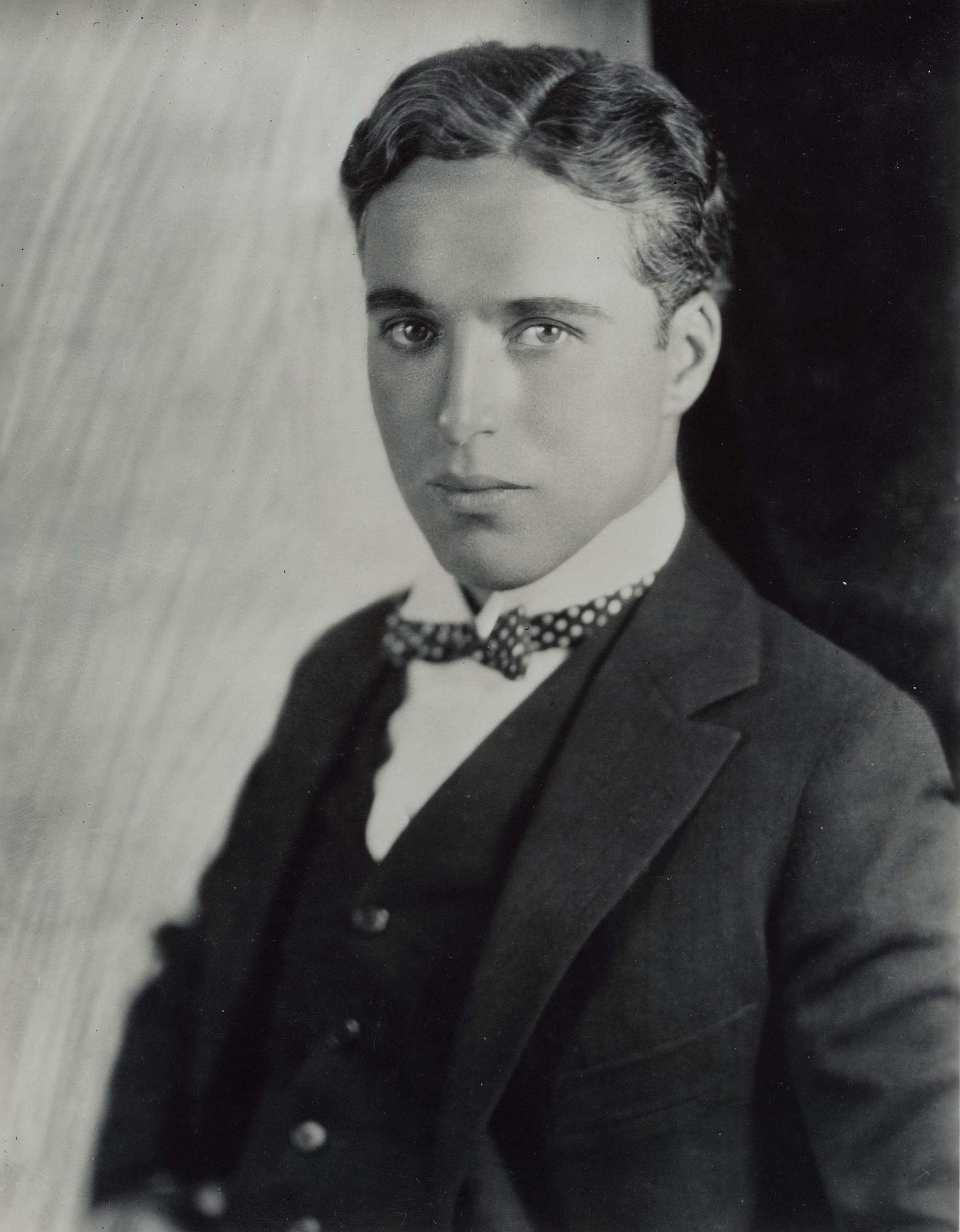
Charlie Chaplin’s remarkable film career spanned an impressive 75 years, during which he made nearly 90 films and became an iconic figure in Hollywood history. He is widely regarded as one of the greatest actors, filmmakers, and entertainers of all time. Chaplin’s versatility as an actor, director, writer, and composer earned him a reputation as a true Renaissance man of the silver screen. His innovative approach to filmmaking and his ability to connect with audiences worldwide have left an indelible mark on the industry.
| Biography Aspect | Details |
|---|---|
| Full Name | Charles Spencer Chaplin Jr. |
| Common Name | Charlie Chaplin |
| Date of Birth | April 16, 1889 |
| Age at Death | 88 years |
| Place of Birth | London, England |
| Nationality | British |
| Occupation | Actor, Filmmaker, Singer, Film Editor, Composer |
| Notable Works / Achievements | Silent film icon, Tramp screen persona, nearly 90 films |
| Spouse / Partner | Lita Grey (married 1924-1927), Paulette Goddard (married 1936-1942), Oona O’Neill (married 1943-1977) |
| Children | Charles Chaplin Jr. (son with Lita Grey), Sydney Chaplin (son with Lita Grey), Geraldine Chaplin (daughter with Oona O’Neill), Michael Chaplin (son with Oona O’Neill), Josephine Chaplin (daughter with Oona O’Neill), Victoria Chaplin (daughter with Oona O’Neill), Eugene Chaplin (son with Oona O’Neill), Jane Chaplin (daughter with Oona O’Neill), Annette Chaplin (daughter with Oona O’Neill), Christopher Chaplin (son with Oona O’Neill) |
| Awards and Honors | Knighted as Sir Charles Spencer Chaplin KBE |
Awards and Recognition
Throughout his illustrious career, Chaplin received numerous awards and accolades for his outstanding contributions to the world of cinema. He was recognized with a Knighthood in 1975 by Queen Elizabeth II, and he was also appointed a Knight Commander of the Order of the British Empire (KBE). Chaplin’s work has been celebrated with numerous awards, including two Honorary Oscars and a star on the Hollywood Walk of Fame. His impact on the film industry has been recognized by the American Film Institute, which has ranked him among the greatest male stars of all time.
Peak Career and Enduring Legacy
Chaplin’s peak career was marked by the release of some of his most iconic films, including “City Lights” (1931) and “Modern Times” (1936). These films showcased his unique blend of comedy, drama, and social commentary, cementing his status as a master filmmaker. Even after his retirement from film, Chaplin’s legacy continued to inspire new generations of filmmakers and audiences alike. His impact on the film industry is still felt today, and his enduring popularity is a testament to his timeless appeal as a performer and a creative force.
Business Ventures and Investments
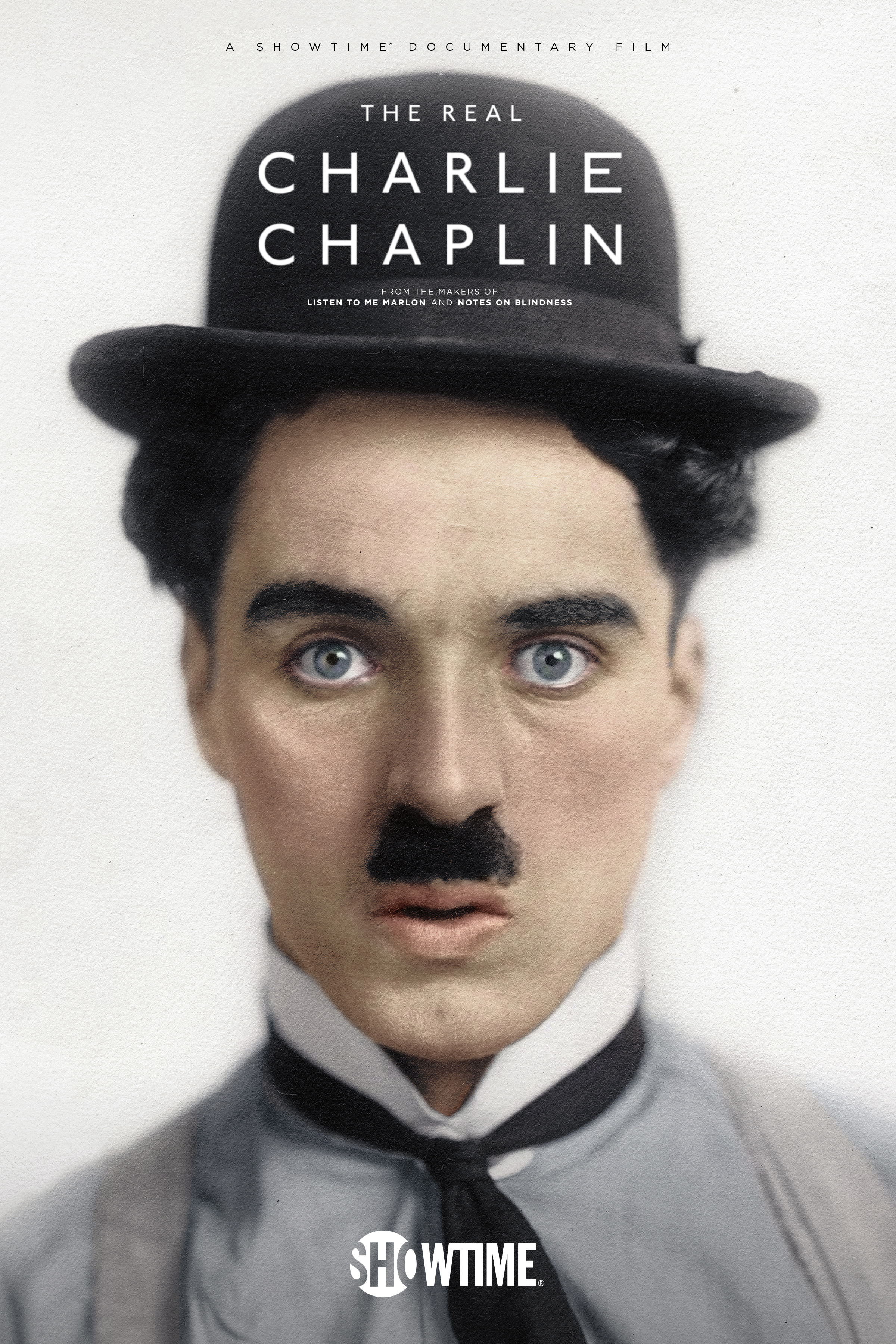
Charlie Chaplin’s entrepreneurial spirit and business acumen were evident in his various ventures, which not only showcased his creative genius but also demonstrated his ability to diversify and adapt to changing times. One of his notable business ventures was the formation of United Artists (UA), a film production and distribution company, in 1919. Alongside D.W. Griffith, Mary Pickford, and Douglas Fairbanks, Chaplin co-founded UA, which allowed him greater creative control and financial independence in his filmmaking endeavors.
As a shrewd businessman, Chaplin also invested in various real estate properties, including a large estate in Corsier-sur-Vevey, Switzerland, where he lived with his family. This estate, known as Manoir de Ban, served as a haven for Chaplin, providing him with a peaceful retreat from the pressures of Hollywood. Additionally, Chaplin invested in a significant portion of the land surrounding the estate, which he later sold to the Swiss government to create a public park. This move not only generated substantial revenue for Chaplin but also contributed to the development of the local community.
Chaplin’s business decisions were often guided by his desire for creative freedom and financial security. He was known to be meticulous in his financial planning, often taking calculated risks to protect his assets and ensure his family’s well-being. Through his various business ventures and investments, Chaplin demonstrated his ability to navigate the complexities of the entertainment industry while maintaining his artistic integrity and commitment to his craft.
Personal Life
Charlie Chaplin’s family life was marked by turmoil and hardship. Born out of wedlock to Charles Chaplin Sr. and Hannah Chaplin, he was the illegitimate child of a music hall singer and a street musician. Despite the challenges, Chaplin’s mother encouraged his early interest in music and performance. Hannah Chaplin’s influence on Charlie’s early life cannot be overstated, as she instilled in him a love for music and the arts. However, the family’s struggles led to Chaplin’s placement in a workhouse at the age of 5, where he spent several years before being reunited with his mother.
As Chaplin grew older, he formed close relationships with several women, including his first wife, Mildred Harris, whom he married in 1918. The couple had one child, Norman Chaplin, but the marriage ended in divorce in 1920. Chaplin later married Lita Grey, with whom he had two children, Charles Chaplin Jr. and Sydney Chaplin. The couple divorced in 1927, and Chaplin went on to marry Paulette Goddard in 1936, with whom he had no children. Chaplin’s relationships were often tumultuous, reflecting the complexities of his own personality and the challenges he faced in his personal life.
In his free time, Chaplin enjoyed a range of hobbies and interests, including music, writing, and politics. He was an accomplished composer and wrote several musical scores for his films. Chaplin was also a vocal advocate for social justice, using his platform to speak out against poverty, inequality, and war. His personal life, marked by both hardship and privilege, shaped his artistic vision and informed his commitment to social causes.
Net Worth and Financial Success
Throughout his illustrious career, Charlie Chaplin accumulated a vast fortune, making him one of the wealthiest individuals in Hollywood. His net worth at the time of his death in 1977 was estimated to be around $40 million, a staggering amount considering the era. However, his financial success extended far beyond his film career. Chaplin was a shrewd businessman and investor, with interests in various industries, including real estate and publishing.
As a successful entrepreneur, Chaplin founded and led several companies, including United Artists, which he co-founded in 1919. This venture allowed him to have greater creative control over his work and to distribute his films independently. Chaplin’s business acumen and innovative spirit also led him to invest in various properties, including a large estate in Corsier-sur-Vevey, Switzerland, which he purchased in 1952. This estate, known as Manoir de Ban, became his primary residence and a symbol of his financial success.
Chaplin’s income sources were diverse and included film profits, business ventures, and royalties from his intellectual property. His iconic character, the Tramp, remains one of the most recognizable and lucrative intellectual properties in the world of cinema. Chaplin’s financial success was a testament to his innovative spirit, business acumen, and creative genius, cementing his legacy as one of the most successful artists of the 20th century.
Legacy and Impact
Charlie Chaplin’s influence on the film industry is immeasurable. He was a pioneer in the art of filmmaking, pushing the boundaries of storytelling and comedy. His innovative use of the Tramp character, a lovable vagabond with a toothbrush mustache, became an iconic symbol of the silent era. This character has been imitated and parodied countless times, cementing Chaplin’s status as a master of comedic expression.
Chaplin’s contributions to cinema extend beyond his on-screen performances. He was a skilled filmmaker, writer, and composer, often handling multiple roles in his films. His work often tackled social issues, such as poverty and inequality, in a way that was both humorous and thought-provoking. His films continue to be celebrated for their technical innovation and artistic merit. As a result, Chaplin’s legacy has inspired generations of filmmakers, from Buster Keaton to the Coen brothers.
The lasting impact of Charlie Chaplin’s work can be seen in the countless films and comedians that have followed in his footsteps. His influence can be seen in everything from the Marx Brothers to Monty Python, and his films remain a beloved part of cinematic history. Chaplin’s impact on popular culture is a testament to his enduring appeal and innovative spirit. As a result, his films continue to be celebrated and studied by audiences and scholars alike, ensuring that his legacy will endure for generations to come.