
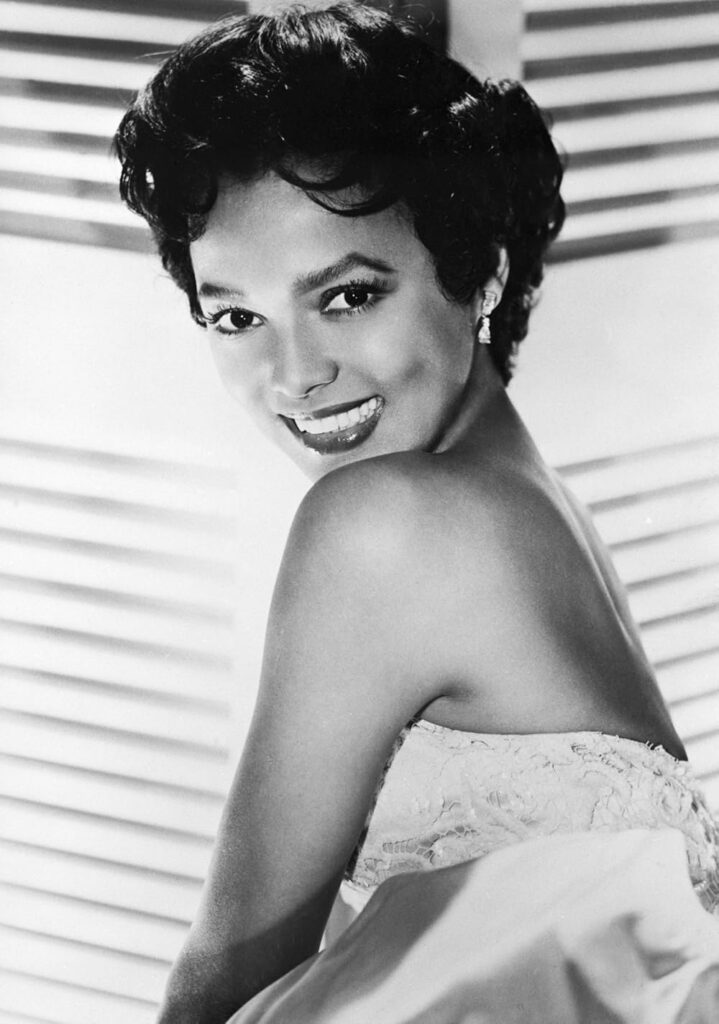
Dorothy Dandridge was a talented actress and singer who left an indelible mark on the entertainment industry. Born on November 9, 1922, in Cleveland, Ohio, Dandridge rose to fame in the 1930s and 1940s, performing alongside her sister Vivian in various shows. Her remarkable career spanned over two decades, with notable roles in films such as A Day at the Races and Carmen Jones. The latter earned her a historic Oscar nomination for Best Actress in 1955, making her the first African American woman to achieve this distinction. As a trailblazer for African American artists, Dandridge’s legacy continues to inspire generations.
Early Life in Cleveland: A Star is Born
Dorothy Dandridge was born on November 9, 1922, in Cleveland, Ohio, to Cyril Dandridge and Ruby Dandridge. Her early life was marked by a strong family bond, particularly with her sister Vivian, who would later become her performing partner. The Dandridge family was known for their musical talents, with Ruby, Dorothy’s mother, being a singer and a pianist. This musical influence would shape Dorothy’s early interests and lay the foundation for her future career as an actress and singer.
Growing up in Cleveland, Dorothy was exposed to a diverse range of music and performance styles. Her mother’s love of music and her own natural talent led her to begin singing and performing at a young age. The Dandridge family’s musical talents and their experiences performing together would eventually lead to their rise to fame as the Dandridge Sisters. This early exposure to the entertainment industry would shape Dorothy’s future and lay the groundwork for her eventual success as a performer.
Dorothy’s early life in Cleveland was marked by a strong sense of community and family. Her parents, Cyril and Ruby, were both deeply involved in their children’s lives and encouraged their musical talents from a young age. This supportive environment would provide Dorothy with the confidence and skills necessary to pursue a career in the entertainment industry. As she grew older, Dorothy’s talents would take her far beyond her hometown of Cleveland, but her early life and family background would remain an essential part of her identity and success.
The Dandridge Sisters: Early Success and Stardom

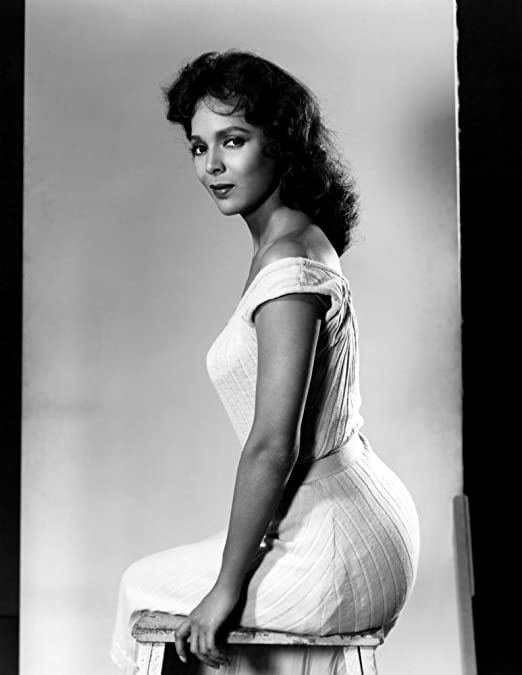
Dorothy Dandridge’s early success in show business can be attributed to her performances with her sister, Vivian. The two sisters formed a musical duo, known as the Dandridge Sisters, and began performing in the 1930s. They gained recognition for their harmonious singing style and energetic stage presence, quickly becoming a popular act on the vaudeville circuit.
Their early success led to appearances in several films, including A Day at the Races (1937) and Going Places (1938). The sisters’ performances showcased their versatility as both singers and dancers, and they became a staple of the entertainment industry. Their experience in show business laid the groundwork for Dorothy’s future success as a solo performer, and their early recognition set the stage for her future achievements.
The Dandridge Sisters’ performances were marked by their unique blend of jazz and blues, which captivated audiences and helped to establish them as one of the most popular acts of their time. Their early success paved the way for Dorothy’s future stardom, including her historic Oscar nomination for Carmen Jones in 1954.
Breaking Barriers: Oscar Nomination and Career Highlights

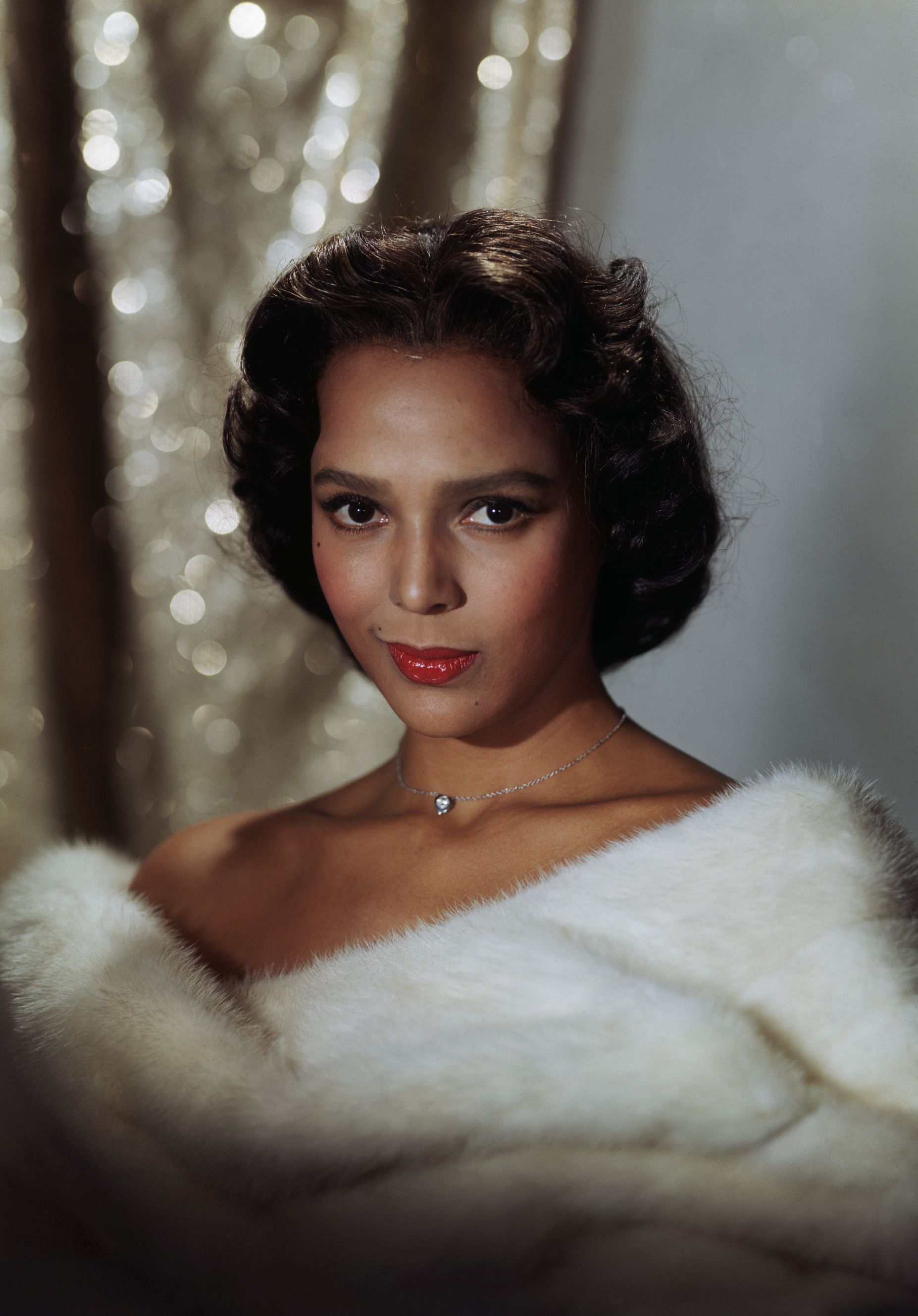
Dorothy Dandridge’s career was marked by numerous milestones, cementing her status as a pioneering figure in the entertainment industry. A standout achievement was her historic Oscar nomination for Best Actress in 1954, becoming the first African American to receive this honor for her role in the musical Carmen Jones. This groundbreaking achievement not only showcased her exceptional talent but also paved the way for future generations of African American actors.
| Biography Aspect | Details |
|---|---|
| Full Name | Dorothy Jean Dandridge |
| Date of Birth | November 9, 1922 |
| Place of Birth | Cleveland, Ohio |
| Nationality | American |
| Occupation | Actress, Singer |
| Notable Works | A Day at the Races, Going Places, Sun Valley Serenade, Carmen Jones |
| Notable Achievements | First African American to be nominated for a Best Actress Academy Award, First African American woman to appear on the cover of Life magazine |
| Spouse / Partner | Harold Nicholas (partner), Jack Denison (husband) |
| Autobiography | Everything and Nothing: The Dorothy Dandridge Tragedy (1970) |
Dandridge’s impressive filmography includes a range of notable works, such as A Day at the Races (1937), Going Places (1938), and Sun Valley Serenade (1941). Her versatility as an actress and singer allowed her to excel in various genres, solidifying her position as a talented and dedicated performer. As a testament to her enduring impact, Dandridge remains one of the most celebrated African American actresses of her time.
In addition to her film career, Dandridge was also a trailblazer in other areas. She was the first African American woman to appear on the cover of Life magazine, a significant milestone in her career. Her autobiography, Everything and Nothing: The Dorothy Dandridge Tragedy, published in 1970, offers a poignant glimpse into her life and experiences. Through her remarkable achievements, Dandridge continues to inspire and influence the entertainment industry, leaving behind a lasting legacy that transcends generations.
Singing Sensation: Music Career and Notable Performances

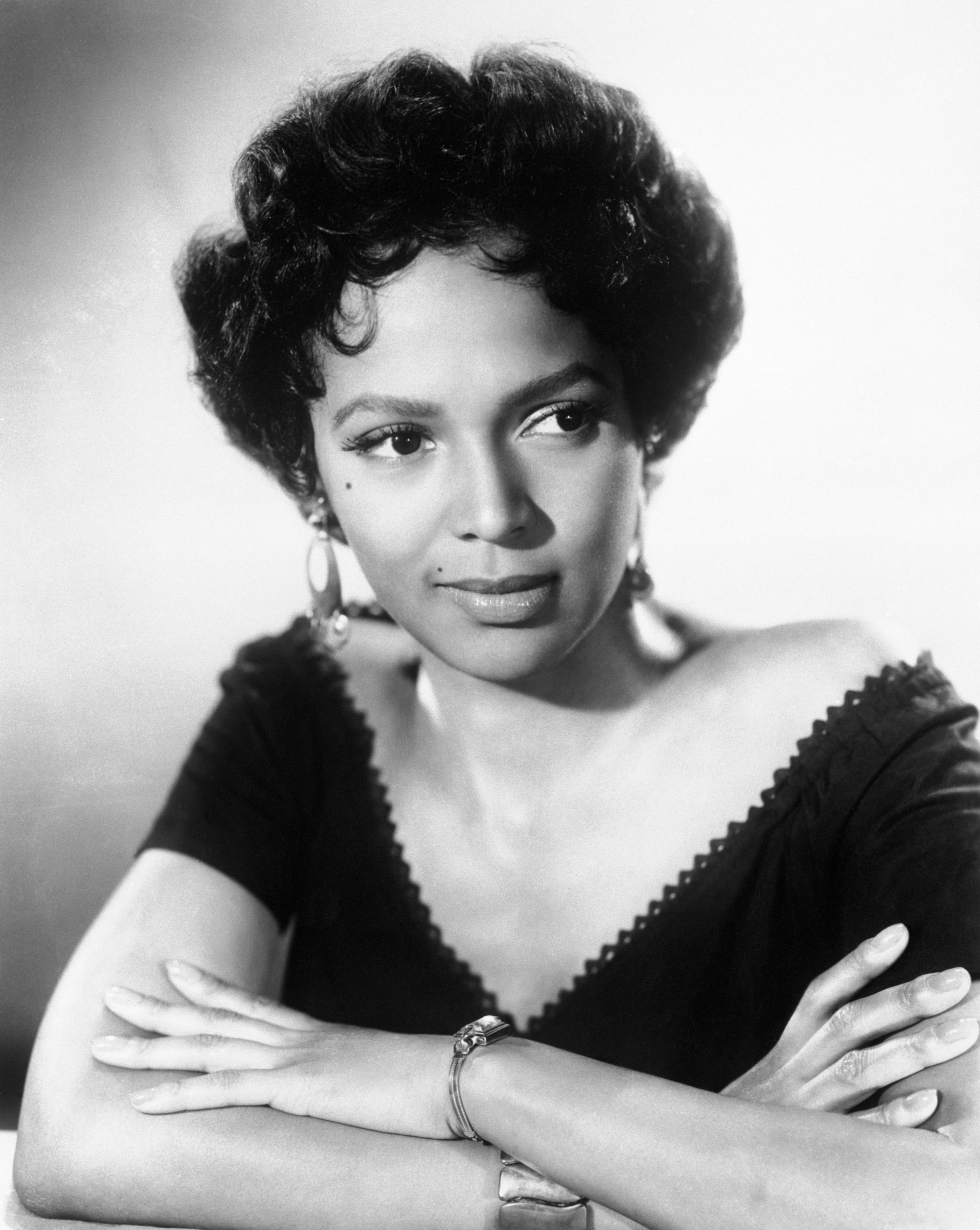
Dorothy Dandridge’s singing career was a significant part of her early success in show business. Alongside her sister Vivian, she began performing at a young age, showcasing her vocal talents. Her early performances with Vivian helped establish her as a rising star in the entertainment industry. As a singer, Dandridge’s style was characterized by her powerful, soulful voice and charismatic stage presence.
One of Dandridge’s most notable performances as a singer was in the 1941 film Sun Valley Serenade, where she sang the hit song “My Heart Belongs to Daddy”. Her rendition of this classic tune showcased her impressive vocal range and helped solidify her reputation as a talented singer. Her ability to seamlessly transition between jazz, blues, and pop styles made her a versatile and sought-after performer.
Throughout her career, Dandridge’s singing career continued to flourish, with her powerful voice and captivating stage presence earning her a loyal following. Her nomination for a Best Actress Academy Award for her role in Carmen Jones in 1954 marked a significant milestone in her career, cementing her status as a pioneering African American actress and singer.
Personal Life: Marriage, Relationships, and Tragedy
Dorothy Dandridge’s personal life was marked by both joy and tragedy. In 1942, she married Harold Nicholas, a member of the famous dance duo the Nicholas Brothers. The couple had a daughter, Harolyn Dandridge, in 1951, but their marriage was tumultuous and ultimately ended in divorce in 1951. Dandridge’s struggles with mental health and addiction began to surface during this period, which would continue to affect her throughout her life.
Dandridge’s relationships were often tumultuous, and her personal struggles began to impact her career. She married Jack Denison in 1959, but the marriage was short-lived and ended in divorce in 1962. Dandridge’s daughter, Harolyn, was diagnosed with schizophrenia at a young age, which added to Dandridge’s emotional distress. Despite her personal struggles, Dandridge continued to work in the entertainment industry, but her mental health issues and addiction problems persisted.
Dandridge’s autobiography, Everything and Nothing: The Dorothy Dandridge Tragedy, published in 1970, provides a candid look at her personal struggles and the impact they had on her life and career. The book is a poignant testament to the challenges faced by Dandridge, who was a trailblazer for African American women in the entertainment industry. Despite her struggles, Dandridge remains an important figure in American entertainment history, celebrated for her talent and her pioneering spirit.
Legacy: A Pioneering Actress and Singer
Dorothy Dandridge’s impact on the entertainment industry cannot be overstated. As a trailblazing actress and singer, she paved the way for future generations of African American performers. Her groundbreaking performances on stage and screen continue to inspire artists to this day. Dandridge was the first African American woman to appear on the cover of Life magazine, a testament to her enduring appeal and talent.
Dandridge’s legacy extends beyond her own remarkable career. She remains an icon of Hollywood’s Golden Age, a symbol of the struggles and triumphs faced by African American performers during a time of great social change. Her Oscar nomination for Best Actress in Carmen Jones (1954) marked a significant milestone in the history of the Academy Awards, highlighting the importance of diversity and inclusion in the entertainment industry. This achievement not only recognized Dandridge’s talent but also paved the way for future generations of African American actors and actresses.
Dorothy Dandridge’s lasting influence can be seen in the many artists who have followed in her footsteps. Her commitment to her craft and her unwavering dedication to her art continue to inspire performers today. As a pioneering actress and singer, Dandridge’s legacy serves as a powerful reminder of the importance of perseverance, talent, and determination in the face of adversity. Her impact on the entertainment industry will be felt for generations to come, cementing her place as one of the most beloved and enduring stars of Hollywood’s Golden Age.
Net Worth and Financial Success
Dorothy Dandridge’s financial achievements were a testament to her enduring success in the entertainment industry. As one of the most prominent African American actresses and singers of her time, she commanded a significant salary for her performances. Her role in the 1954 musical Carmen Jones, for which she became the first African American to be nominated for a Best Actress Academy Award, was a major highlight of her career and contributed significantly to her financial success.
Dandridge’s net worth was substantial, with estimates suggesting that she earned a salary of $100,000 for her role in Carmen Jones, a significant amount for the time. Her success in the film industry was matched by her achievements in music, where she released several albums and singles, including the hit song “It’s All Right with Me.” Her music career not only brought her financial success but also allowed her to showcase her vocal talents to a wider audience.
Dandridge’s financial achievements were a reflection of her hard work and dedication to her craft. Despite facing numerous challenges and setbacks throughout her career, she remained a beloved and respected figure in the entertainment industry, and her financial success was a testament to her enduring legacy.