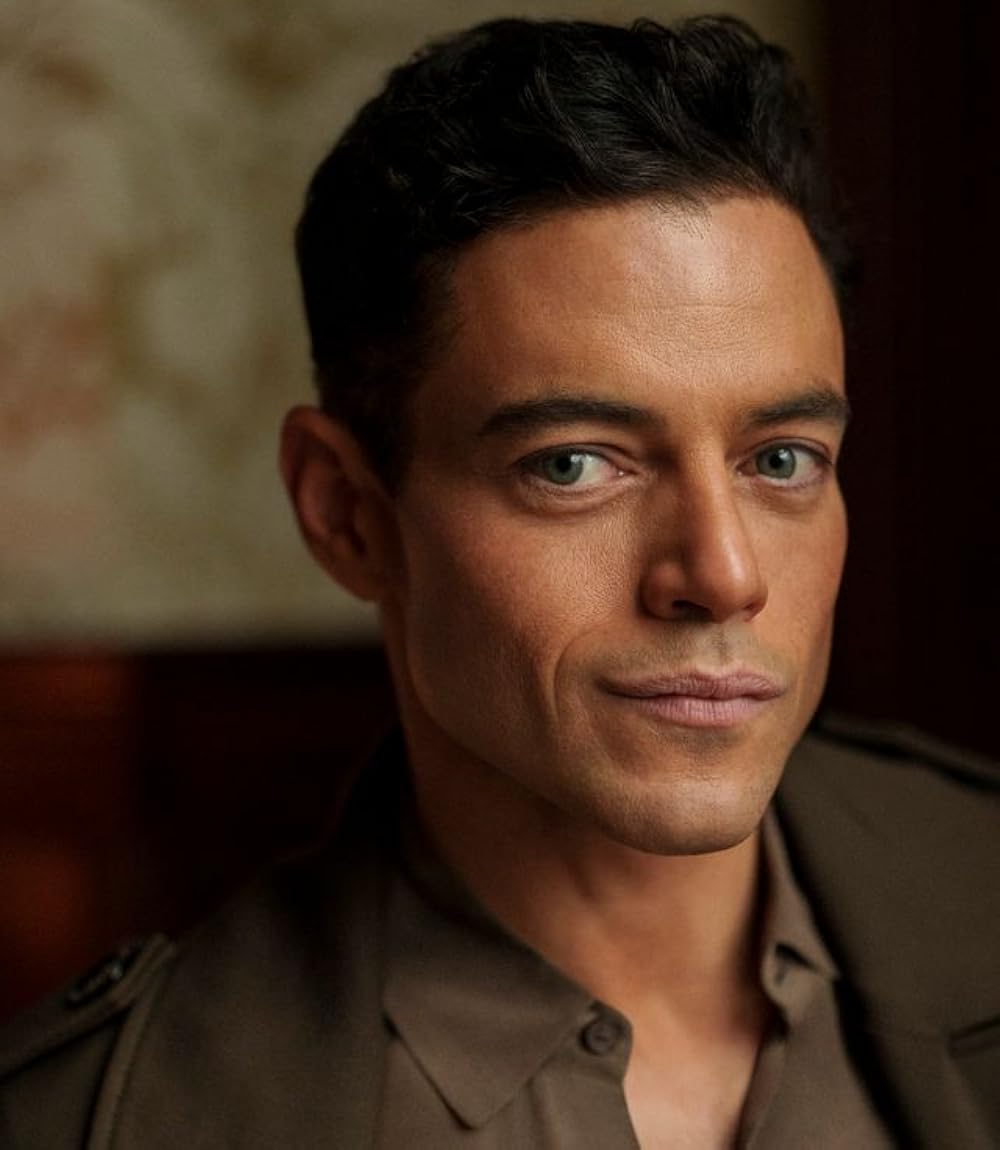






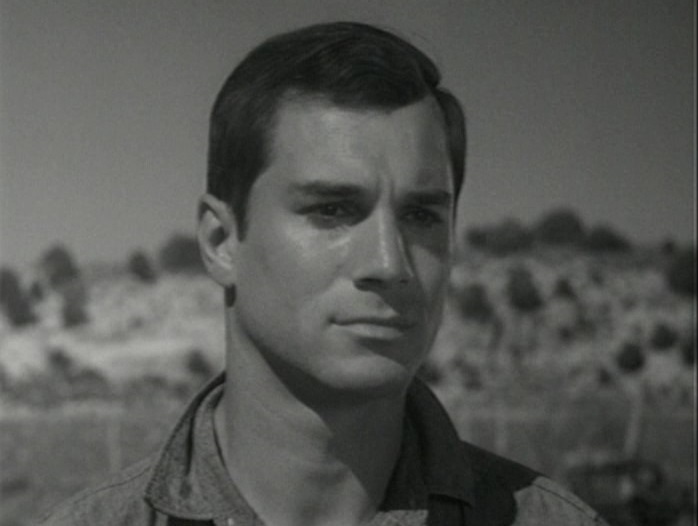
George Maharis, the American actor, singer, and visual artist, left an indelible mark on the entertainment industry. Born on September 1, 1928, Maharis rose to fame with his portrayal of Buz Murdock in the first three seasons of the iconic TV series Route 66. As a talented singer, he recorded several pop music albums, captivating audiences with his unique voice. With a career spanning over five decades, Maharis also starred in notable TV series such as The Most Deadly Game. His artistic legacy extends beyond acting, as he was also a skilled visual artist.
From Stage to Screen: George Maharis’ Early Career Beginnings
George Maharis was born on September 1, 1928, in St. Louis, Missouri. His early life was marked by a strong interest in the arts, with both his parents encouraging his creative pursuits. Maharis’ father, a musician himself, exposed his son to the world of music from a young age. This early exposure would later influence Maharis’ decision to pursue a career in music and acting.
As a young man, Maharis began to develop his skills as a performer. He attended Washington University in St. Louis, where he studied drama and music. During his time at university, Maharis began to hone his craft, performing in various stage productions and developing his singing voice. His early experiences in music and theater laid the foundation for a career that would span multiple mediums and disciplines.
Maharis’ early training and performances prepared him for the demands of a career in the entertainment industry. He went on to develop his skills as a singer, actor, and visual artist, eventually becoming a well-known figure in American entertainment.
Riding the Route: Maharis’ Breakthrough Role in Route 66
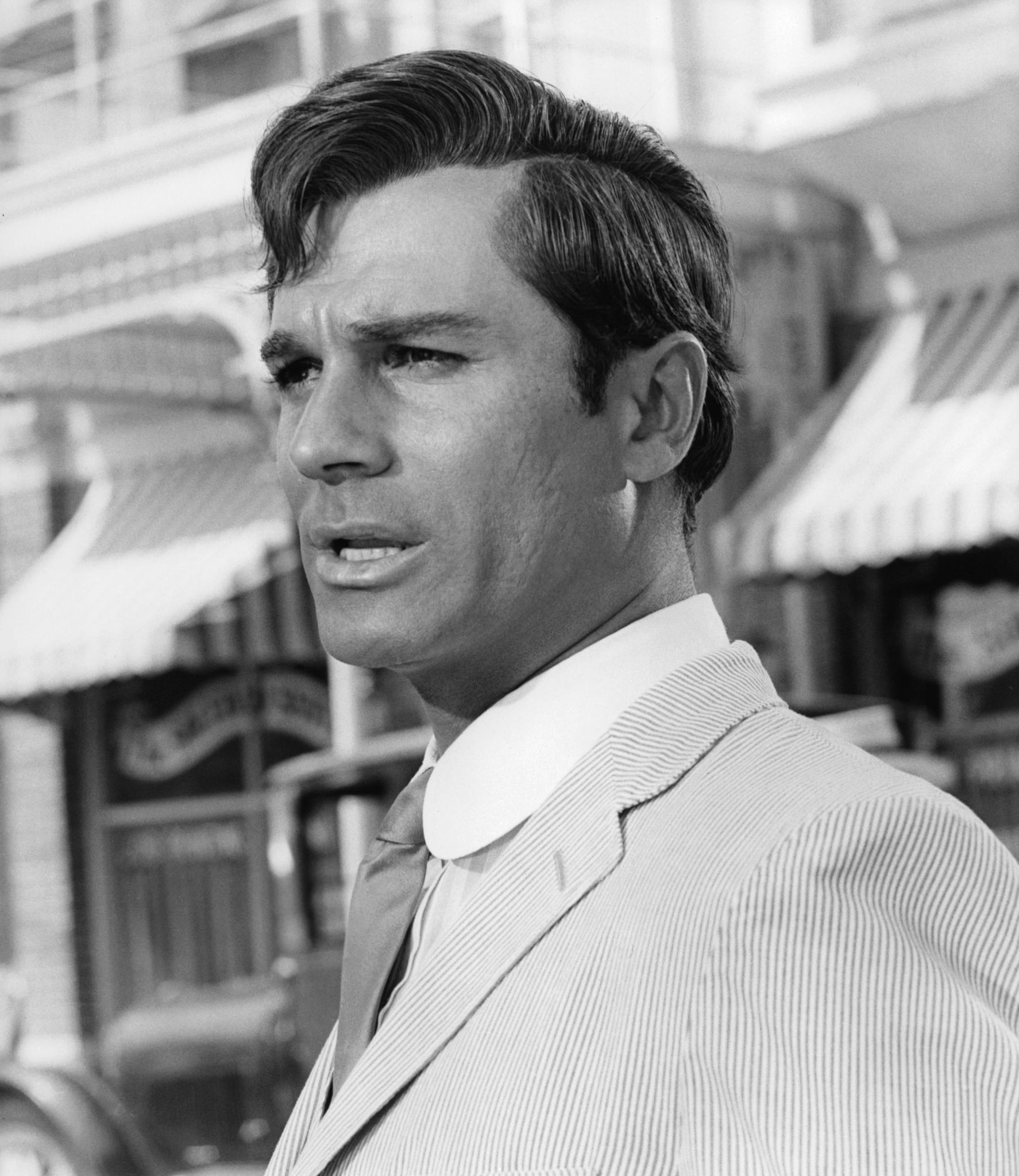
George Maharis’ portrayal of Buz Murdock in the first three seasons of the TV series Route 66 remains one of his most iconic roles. As part of the show’s dynamic duo, Maharis shared the screen with Martin Milner, who played Tod Stavros. The two actors’ on-screen chemistry and camaraderie added to the show’s success, making Route 66 a beloved favorite among audiences.
Maharis’ character, Buz Murdock, was a free-spirited and adventurous young man who traveled the country with his friend Tod. Throughout the series, Buz’s carefree nature often found him in humorous and precarious situations, providing much of the show’s comedic relief. The show’s impact on American television was significant, as it was one of the first to feature a non-traditional narrative structure, with each episode featuring a new story and setting.
Some of the most notable episodes of Route 66 featured Maharis and Milner navigating the complexities of small-town America, often finding themselves at odds with the local authorities. The show’s writers cleverly wove together a mix of drama, comedy, and social commentary, making it a standout series of its time. As a result, Maharis’ portrayal of Buz Murdock remains an enduring part of television history, a testament to his talent and the show’s enduring appeal.
Beyond Acting: Maharis’ Musical Journey and Artistic Pursuits

George Maharis’ talents extended far beyond the world of acting. During the height of his fame, he recorded several pop music albums, showcasing his vocal range and versatility. His musical journey was marked by a unique blend of styles, from smooth crooning to energetic rock ‘n’ roll. Maharis’ music was a testament to his creative spirit and his willingness to explore different artistic avenues.
| Biography Aspect | Details |
|---|---|
| Full Name | George Maharis |
| Date of Birth | September 1, 1928 |
| Date of Death | May 24, 2023 |
| Place of Birth | New York City, New York, USA |
| Nationality | American |
| Occupation | Actor, Singer, Visual Artist |
| Notable Works | Route 66, The Most Deadly Game |
| Notable Achievements | Starred in Route 66 for three seasons, recorded several pop music albums |
Collaborations and Notable Songs
Maharis’ pop music albums featured a mix of original compositions and covers of popular songs. He collaborated with renowned musicians and producers, bringing a level of sophistication and polish to his recordings. Some of his notable songs include “The Lonely One” and “You’re Gonna Hear from Me”, which showcased his ability to convey emotion through music. These songs, along with others from his discography, remain a testament to Maharis’ talent as a singer and performer.
Visual Art and Influences
In addition to his musical pursuits, Maharis was also a talented visual artist. He exhibited his artwork in galleries and exhibitions, demonstrating a keen eye for composition and color. Maharis’ artistic influences were diverse, ranging from the Impressionists to the Abstract Expressionists. His visual art was a reflection of his creative energy and his desire to express himself in multiple ways. Through his music and art, Maharis left an indelible mark on the entertainment industry, inspiring future generations of artists and musicians.
The Most Deadly Game: Maharis’ Later Acting Career and Notable Roles

In the 1970s, George Maharis transitioned to a new and more sinister role as the star of the TV series The Most Deadly Game. This crime drama, which aired from 1970 to 1971, saw Maharis play the lead character, a former CIA agent turned hitman. The show’s concept was based on a novel by John L. Breen and was praised for its dark and realistic portrayal of the world of espionage and assassination.
Maharis’ performance in The Most Deadly Game was well-received by critics and audiences alike, and the show’s success can be attributed in part to the strong chemistry between Maharis and his co-stars. The series featured a range of notable episodes and storylines, including a two-part episode that saw Maharis’ character face off against a former CIA colleague turned enemy. The show’s blend of action, suspense, and intrigue kept viewers on the edge of their seats, and it remains a notable chapter in Maharis’ acting career.
Maharis’ work on The Most Deadly Game showcased his ability to play complex and nuanced characters, and his performance earned him critical acclaim. The show’s success also marked a new direction for Maharis’ career, as he continued to take on challenging roles and push the boundaries of his acting abilities.
A Life of Art and Entertainment: George Maharis’ Personal Life and Legacy
George Maharis was a devoted family man, married to actress and dancer, Susan Sackett, from 1970 until their divorce in 1977. The couple had two children together, a son, and a daughter. In his personal life, Maharis was known to be a passionate artist, often expressing himself through various mediums, including painting and sculpture. His creative pursuits not only brought him joy but also allowed him to explore different facets of his personality.
As an artist, Maharis was particularly drawn to the world of visual art, often incorporating elements of music and performance into his work. His artistic endeavors not only reflected his love for creativity but also served as a means of self-expression and relaxation. Maharis’ family life and personal interests played a significant role in shaping his identity and influencing his contributions to the entertainment industry.
Throughout his career, George Maharis left an indelible mark on the entertainment industry, inspiring countless individuals with his talent, dedication, and passion. As a visual artist, Maharis’ work continues to be celebrated for its unique blend of creativity and emotion, a testament to his enduring legacy. His impact on American entertainment will be remembered for generations to come, a true tribute to his remarkable life and achievements.
A Lasting Legacy: George Maharis’ Impact on American Entertainment
George Maharis left an indelible mark on American entertainment, inspiring future generations of actors and musicians. His versatility as a performer and artist paved the way for others to explore multiple talents. Maharis’ influence can be seen in the work of many notable actors and musicians who followed in his footsteps. His ability to seamlessly transition between acting, singing, and visual art has made him a trailblazer in the entertainment industry.
Throughout his career, Maharis received numerous awards and recognition for his contributions to American entertainment. He was awarded a Golden Globe nomination for his work in Route 66, a testament to his talent and dedication to his craft. Maharis’ impact on pop culture extends beyond his own performances, as he helped shape the landscape of American entertainment. His influence can be seen in the many actors, musicians, and artists who have followed in his footsteps, and his legacy continues to inspire new generations of performers.
Maharis’ lasting impact on American entertainment is a testament to his enduring talent and creativity. He has been recognized for his contributions to the entertainment industry, cementing his place as a true pioneer. As a visual artist, singer, and actor, Maharis left an indelible mark on the world of entertainment, inspiring countless others to explore their own talents and passions. His legacy continues to be felt today, a reminder of the power of creativity and innovation in shaping the world of American entertainment.