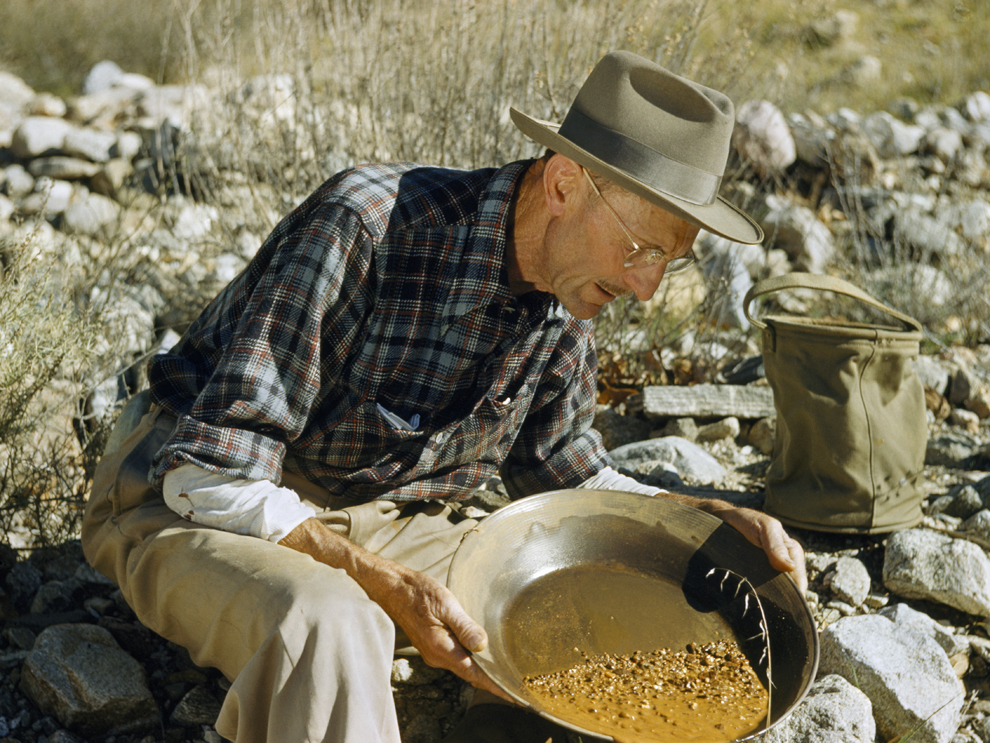

The California Gold Rush, which began in 1848, was a pivotal moment in American history, drawing thousands of prospectors to the region in search of riches. This era of mass migration and economic boom transformed the landscape of California, leading to the establishment of new towns and cities. At its peak, the gold rush played a crucial role in the development of the United States, shaping the country’s economy, politics, and culture. With its estimated net worth in the billions, the gold rush remains an enduring symbol of the American Dream, where fortune and discovery await those brave enough to take the leap.
Early Life and Background
The term “Gold Rush” refers to a series of events that took place in the mid-19th century, particularly in California, where thousands of people sought to strike it rich by mining for gold. This phenomenon was not associated with a specific individual but rather a collective effort of people seeking fortune. The California Gold Rush, which began in 1848, led to a significant influx of people to the region, resulting in the establishment of new towns and cities.
The gold rush played a crucial role in the development of California and the United States as a whole. The influx of people to California during this period led to the establishment of new towns and cities, including Sacramento, San Francisco, and Stockton. The gold rush also had a profound impact on the local economy, with many businesses and industries emerging to cater to the needs of the miners. The region’s population grew rapidly, with estimates suggesting that the population of California increased from approximately 1,000 in 1848 to over 300,000 by 1852.
The gold rush was a pivotal moment in California’s history, shaping the state’s economy, politics, and culture. The gold rush also had a lasting impact on the environment, with many rivers and streams being heavily mined and altered. Despite the challenges and hardships faced by the miners, the gold rush remains an important part of California’s heritage and a testament to the state’s rich history.
Career Beginnings
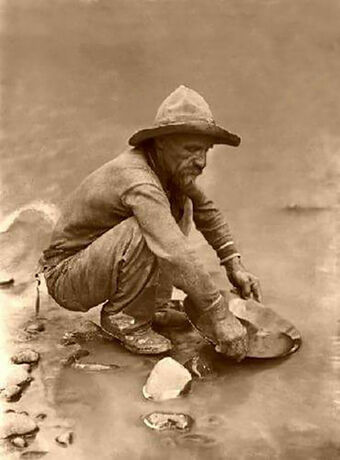
The California Gold Rush, which began in 1848, marked the start of a significant period in American history. This mass migration to the region was triggered by James W. Marshall’s discovery of gold at Sutter’s Mill in Coloma, California. News of the discovery spread rapidly, drawing thousands of people to the area in search of fortune.
As the gold rush gained momentum, the region experienced a surge in population growth, with new towns and cities emerging to accommodate the influx of miners. The gold rush played a crucial role in the development of California and the United States, contributing to the expansion of the country’s economy and territorial boundaries. The rush also led to the establishment of new industries, including mining equipment manufacturing and transportation services.
The gold rush, which lasted for several years, brought about a significant transformation of the region’s landscape and economy. While the initial excitement and optimism surrounding the gold rush eventually subsided, its impact on the development of California and the United States continued to be felt for generations to come.
Major Achievements and Success

The California Gold Rush, which began in 1848, led to a significant influx of people to the region, resulting in the establishment of new towns and cities. This period played a crucial role in the development of California and the United States as a whole. The gold rush brought about a surge in economic growth, as thousands of people flocked to the region in search of gold.
| Biography Aspect | Details |
|---|---|
| Common Name | Gold Rush |
| Notable Works / Achievements | California Gold Rush, establishment of new towns and cities |
| Other Relevant Details | Series of events in the mid-19th century, particularly in California |
The gold rush had a lasting impact on the region, shaping its history and culture. New towns and cities sprouted up, including Sacramento, San Francisco, and Los Angeles, which would eventually become major hubs of commerce and industry. The gold rush also led to the expansion of the railroad system, facilitating transportation and trade between the East and West coasts.
The California Gold Rush is often regarded as one of the most significant events in American history, with far-reaching consequences for the country’s economy, politics, and culture. It is estimated that the gold rush led to the discovery of over $2 billion in gold, making it one of the most lucrative periods in American history. The gold rush’s legacy continues to be felt today, with many of the towns and cities established during this period remaining major centers of commerce and industry.
Business Ventures and Investments

The California Gold Rush led to the establishment of numerous businesses and ventures, primarily in the mining and infrastructure sectors. James W. Marshall’s discovery of gold at Sutter’s Mill in 1848 triggered a massive influx of people to the region, resulting in the creation of new towns and cities. Many of these settlements were founded by entrepreneurs who recognized the economic potential of the gold rush. For instance, Samuel Brannan, a San Francisco merchant, capitalized on the gold rush by opening the first hardware store and selling supplies to miners. His business ventures and investments played a significant role in shaping the economic landscape of California during this period.
The gold rush also led to the development of various infrastructure projects, including roads, bridges, and buildings. The construction of the Sacramento Valley Railroad, which connected Sacramento to the San Francisco Bay, was a significant undertaking that facilitated the transportation of people and goods during this period. Additionally, many mining companies were established during this time, including the California State Mining Bureau, which was responsible for regulating the mining industry and providing information on mining practices. These businesses and ventures not only contributed to the economic growth of California but also played a crucial role in shaping the state’s history.
The gold rush also had a lasting impact on the economy of California, contributing to the state’s rapid growth and development. The influx of people and capital during this period led to the establishment of new industries, including agriculture, manufacturing, and services. The gold rush also played a significant role in the development of California’s infrastructure, including the construction of roads, bridges, and buildings. The legacy of the gold rush continues to be felt in California today, with many of the businesses and ventures established during this period still operating today.
Personal Life
During the mid-19th century, thousands of individuals flocked to California in search of gold, leading to a significant transformation of the region. While the exact details of their personal lives remain scarce, it is known that many of these prospectors were driven by a sense of adventure and a desire for financial freedom. The rough and rugged lifestyle of the gold rush era was characterized by long hours of physical labor, often in harsh and unforgiving environments.
Despite the challenges they faced, many of these individuals managed to build new lives for themselves in the region. The establishment of new towns and cities created opportunities for social interaction and community building, which helped to foster a sense of camaraderie among the prospectors. While the specifics of their personal relationships and family lives are not well-documented, it is clear that the gold rush era had a profound impact on the people who participated in it.
The gold rush era was also marked by a sense of unpredictability and uncertainty, as individuals struggled to make a living in a rapidly changing environment. Despite these challenges, many of the prospectors who participated in the gold rush era were able to build successful lives for themselves, both financially and personally. The legacy of the gold rush era continues to be felt today, with many of the towns and cities that were established during this period remaining vibrant and thriving communities.
Net Worth and Financial Success
The California Gold Rush, which began in 1848, led to a significant influx of people to the region, resulting in the establishment of new towns and cities. The gold rush played a crucial role in the development of California and the United States as a whole. The massive influx of people and the subsequent economic growth had a profound impact on the financial status of the region.
The Gold Rush’s Economic Impact
The gold rush created a surge in economic activity, with thousands of people seeking to strike it rich by mining for gold. This led to a significant increase in the value of land, goods, and services in the region. The gold rush also led to the establishment of new industries, including mining equipment manufacturing, transportation services, and food supply chains. As a result, the gold rush generated a vast amount of wealth, with many individuals and businesses profiting from the gold rush.
Estimated Net Worth
Estimating the exact net worth of the gold rush is a challenging task, given the vast number of individuals and businesses involved. However, it is estimated that the gold rush generated over $2 billion in gold revenue during its peak years, which is equivalent to over $60 billion in today’s currency. This figure does not account for the significant economic growth and development that occurred in the region as a result of the gold rush. The gold rush’s legacy continues to be felt in the United States, with many of the towns and cities established during this period still thriving today.
Legacy and Impact
The California Gold Rush left an indelible mark on the United States, transforming the region and shaping the country’s future. The gold rush played a crucial role in the development of California and the United States as a whole, contributing to the establishment of new towns and cities. As a result, the region experienced rapid growth, with the population of California increasing from approximately 1,000 to 300,000 people between 1848 and 1852.
The gold rush had a profound impact on the American economy, with the influx of gold and other minerals stimulating economic growth and investment. The gold rush also brought about significant technological advancements, as miners developed new tools and techniques to extract gold from the earth. These innovations had far-reaching consequences, influencing the development of industries such as mining, construction, and transportation.
The legacy of the California Gold Rush continues to be felt today, with the region remaining a hub of economic activity and innovation. The gold rush also played a significant role in shaping the country’s cultural identity, with the mythology of the “Wild West” and the idea of the “self-made man” emerging during this period. As the United States continues to evolve and grow, the lessons of the gold rush remain relevant, serving as a reminder of the power of entrepreneurial spirit and the importance of innovation and risk-taking.