






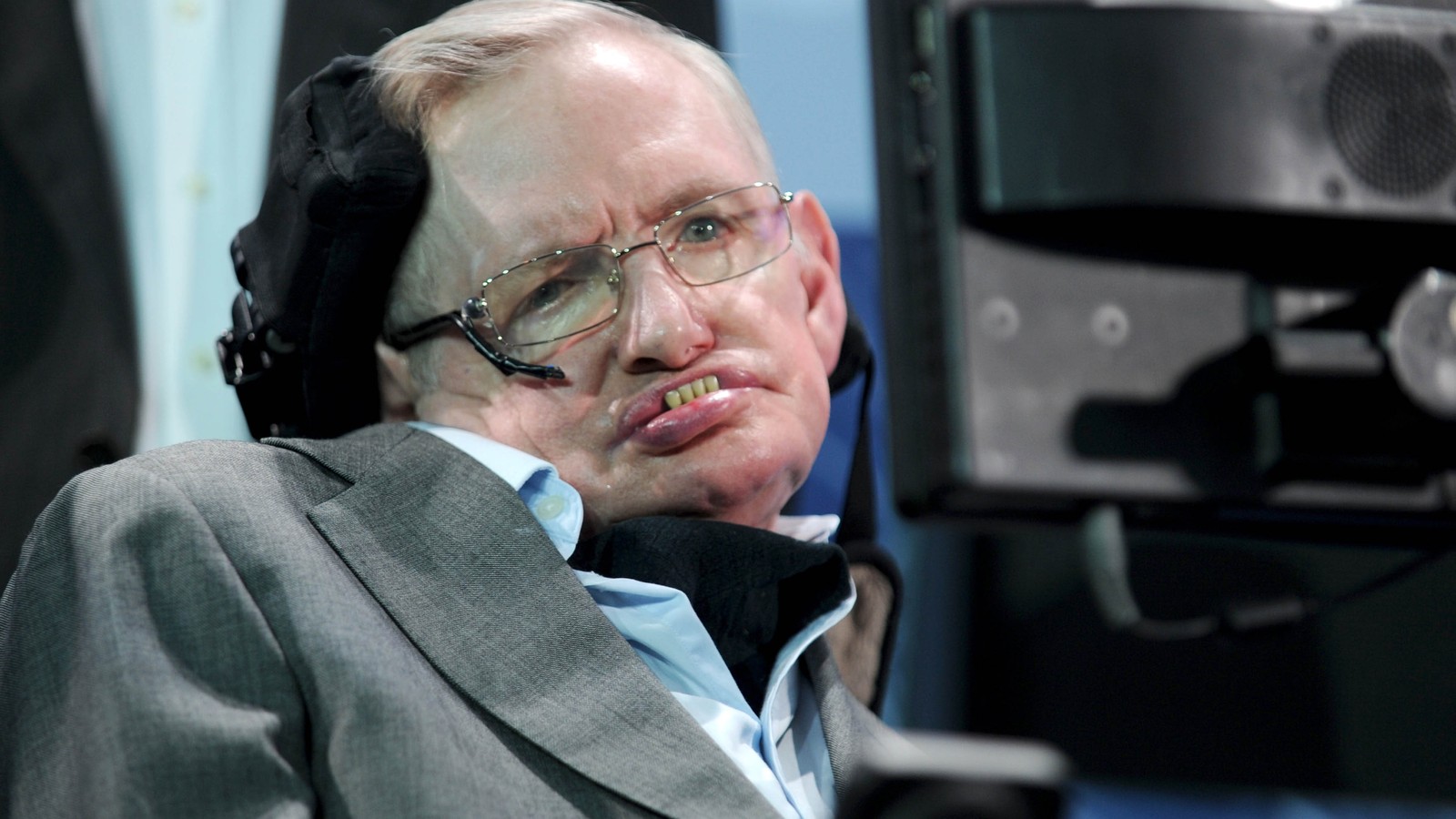
Stephen Hawking, the renowned British scientist and author, left an indelible mark on the world of physics and cosmology. Born on January 8, 1942, in Oxford, England, Hawking defied the odds of a debilitating illness, amyotrophic lateral sclerosis (ALS), which he contracted at the age of 21. Despite this challenge, Hawking went on to achieve remarkable success, earning a first-class honours degree in natural sciences from University College Oxford and a PhD in cosmology from Cambridge University. His career was marked by numerous accolades, including becoming a professor at Cambridge University. Hawking’s net worth was estimated to be around $20 million at the time of his passing.
Early Life and Background
Hawking’s educational journey began at St. Albans School, a prestigious independent school in Hertfordshire, England. He demonstrated exceptional academic ability, particularly in mathematics and science. Hawking’s natural aptitude for these subjects earned him a place at University College Oxford, where he went on to graduate with a first-class honours degree in natural sciences. This achievement was a testament to his hard work and dedication to his studies.
Career Beginnings
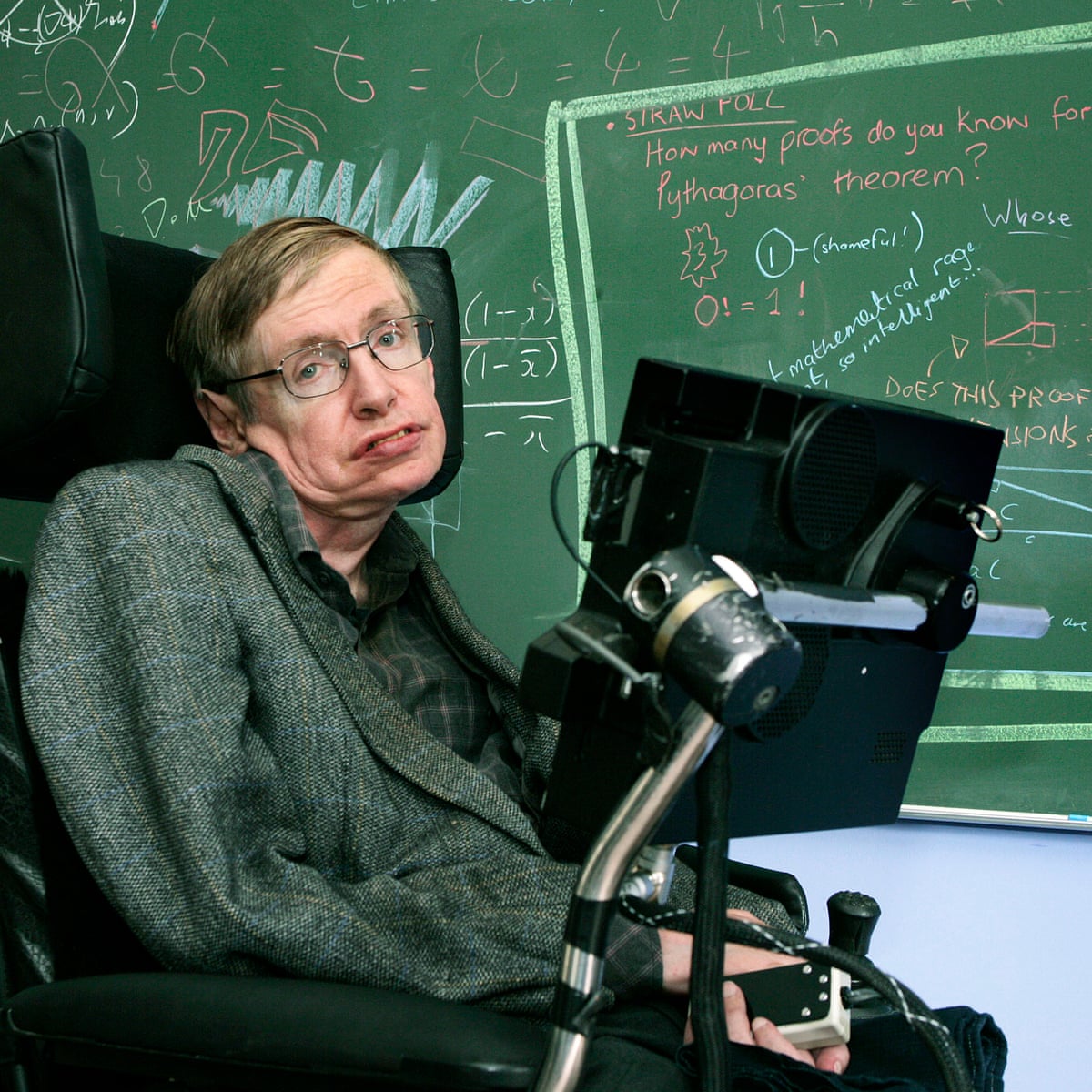
Stephen Hawking’s academic prowess was evident from an early age, and his first steps into the world of academia were marked by a strong foundation in natural sciences. After graduating from University College Oxford with a first-class honours degree in natural sciences, Hawking went on to pursue his PhD in cosmology at Cambridge University. This marked the beginning of a long and illustrious academic career that would see him make groundbreaking contributions to our understanding of the universe.
Hawking’s time at Cambridge University was a defining period in his career, laying the groundwork for his future achievements. It was here that he developed a deep understanding of cosmology and theoretical physics, which would become the foundation of his later work. His PhD research focused on the application of general relativity to black holes, a topic that would become a hallmark of his career.
Upon completing his PhD, Hawking began to establish himself as a rising star in the academic community. His early work on black holes and the behavior of matter in extreme conditions demonstrated a keen intellect and a passion for understanding the mysteries of the universe. These early ventures set the stage for a career that would be marked by numerous breakthroughs and a lasting impact on our understanding of the cosmos.
Major Achievements and Success

Stephen Hawking’s illustrious career was marked by numerous achievements that cemented his status as a leading figure in physics and cosmology. One of his most notable works is A Brief History of Time, a bestselling book that explains complex scientific concepts in an accessible manner. This publication not only showcased his ability to communicate complex ideas but also demonstrated his passion for making science accessible to a broader audience.
| Biography Aspect | Details |
|---|---|
| Full Name | Stephen William Hawking |
| Common Name | Stephen Hawking |
| Date of Birth | January 8, 1942 |
| Age | 76 years |
| Place of Birth | Oxford, England, UK |
| Nationality | British |
| Occupation | Professor, Author |
| Notable Works / Achievements | Groundbreaking contributions to physics and cosmology |
| Education | University College Oxford (first-class honours degree in natural sciences), Cambridge University (PhD in cosmology) |
| Spouse / Partner | Jane Wilde Hawking |
| Children | Three children: Robert, Lucy, and Timothy |
Hawking’s academic prowess was recognized through various awards and honors. He was a Fellow of the Royal Society, a prestigious organization that honors outstanding contributions to science. Additionally, he was awarded the Albert Einstein Award for his work on black holes and the Fundamental Physics Prize for his groundbreaking research in cosmology. These accolades are a testament to his dedication and commitment to advancing our understanding of the universe.
Throughout his career, Hawking held various esteemed positions, including Lucasian Professor of Mathematics at Cambridge University, a position previously held by Sir Isaac Newton. This appointment not only reflected his exceptional academic abilities but also underscored his influence on the scientific community. Hawking’s remarkable achievements and contributions to physics and cosmology have left a lasting impact on our understanding of the universe, inspiring future generations of scientists and scholars.
Business Ventures and Investments

Stephen Hawking’s business ventures and investments played a significant role in his life, allowing him to leverage his intellectual capital and pursue his passions. One notable example is his involvement with the Cambridge University’s Centre for Theoretical Cosmology, which he co-founded in 2007. This centre served as a hub for cosmology research and provided a platform for Hawking to collaborate with other leading scientists.
Hawking also invested in various companies, including Lucas Learning, a software development company that created educational games and software. His investment in this company reflected his interest in making complex scientific concepts accessible to a broader audience. Additionally, Hawking partnered with Stephen Wolfram, a renowned computer scientist, to develop Mathematica, a computational software system used in various fields, including physics and mathematics.
Through these business ventures and investments, Hawking demonstrated his entrepreneurial spirit and ability to adapt his expertise to various contexts. His involvement in these projects not only contributed to his financial success but also allowed him to stay engaged with the scientific community and pursue his passion for making complex ideas accessible to a wider audience.
Personal Life
Stephen Hawking’s personal life was marked by a loving and supportive family. He married his first wife, Jane Wilde, in 1965, and they had three children together: Robert, Lucy, and Timothy. Despite the challenges posed by his debilitating illness, Hawking’s marriage to Jane lasted for 25 years until their divorce in 1995. After his divorce, Hawking married his second wife, Elaine Mason, in 1995, but they divorced in 2006.
Hobbies and Interests
In addition to his groundbreaking work in physics, Hawking was an avid reader and enjoyed reading science fiction and fantasy novels. He was also a fan of music and enjoyed listening to classical music, particularly Mozart. Hawking was a strong advocate for disability rights and was a patron of the Motor Neurone Disease Association. He was also a vocal supporter of the rights of people with disabilities, using his platform to raise awareness and funds for various charitable causes.
Lifestyle and Adaptations
Despite being confined to a wheelchair for most of his life, Hawking adapted remarkably well to his physical limitations. He used a speech-generating device to communicate, which allowed him to express his thoughts and ideas with remarkable clarity. Hawking’s determination and resilience in the face of adversity inspired countless people around the world, and his legacy continues to be felt long after his passing.
Net Worth and Financial Success
Stephen Hawking’s financial success was a testament to his enduring legacy and impact on the scientific community. His net worth was estimated to be around $20 million at the time of his death in 2018. This substantial wealth was largely due to his bestselling books, which have been translated into over 40 languages and sold millions of copies worldwide. His most famous book, “A Brief History of Time,” has sold over 10 million copies and has been widely acclaimed for its accessible explanation of complex scientific concepts.
In addition to book sales, Hawking also earned significant income from speaking engagements, lectures, and public appearances. He was a sought-after speaker and earned up to $1 million per appearance, with some estimates suggesting that he gave over 50 lectures per year. Hawking’s financial success also came from his work as a consultant and advisor for various companies, including Google and Apple. He was reportedly paid a six-figure sum by Google for his work on the company’s AI project.
Hawking’s financial status was further bolstered by his investments and business ventures. He owned a significant portion of the rights to his books and lectures, which generated substantial royalties. His financial success also allowed him to support various charitable causes, including the Stephen Hawking Foundation, which supports research into motor neuron diseases. Despite his financial success, Hawking remained humble and dedicated to his work, using his wealth and influence to promote scientific understanding and awareness.
Legacy and Impact
Stephen Hawking’s influence on the scientific community and the general public has been profound and lasting. His groundbreaking contributions to physics and cosmology have reshaped our understanding of the universe and its mysteries. The publication of his book “A Brief History of Time” in 1988 helped to make complex scientific concepts accessible to a broad audience, cementing his status as a leading voice in the field. This book, in particular, has been translated into over 40 languages, making it one of the most widely read and influential science books of all time.
Hawking’s work has inspired a new generation of scientists, philosophers, and thinkers to explore the mysteries of the universe. His pioneering research on black holes and the origins of the universe has opened up new avenues of inquiry and has sparked intense debate and discussion among experts. The development of Hawking radiation, a theoretical concept that proposes that black holes emit radiation due to quantum effects, has been a significant contribution to our understanding of these enigmatic objects. This concept has far-reaching implications for our understanding of the universe and its evolution.
As we look to the future, Hawking’s legacy continues to inspire and motivate scientists, researchers, and thinkers around the world. His work has paved the way for new breakthroughs and discoveries, and his influence will be felt for generations to come. The Stephen Hawking Foundation, established in his honor, continues to support research and education in the fields of physics and cosmology, ensuring that his legacy will endure for years to come.